

In the previous article, we explored Acharya Devvrat’s journey from chemical farming to natural methods, and how Jeevamrut restored his barren 100-acre land to record-breaking fertility. Having already seen how he transitioned away from chemical and organic methods to achieve high yields on previously infertile land, we now look at the science of soil health and the vital role of earthworms.
Contents

17. Soil vitality: How microbes drive fertility
The earth is naturally rich in minerals such as phosphorus, zinc, potash, and copper, however, plants cannot absorb these nutrients in their raw state. It is the vital work of earthworms and soil microbes to “digest” these elements, transforming them into a form that plant roots can actually consume.
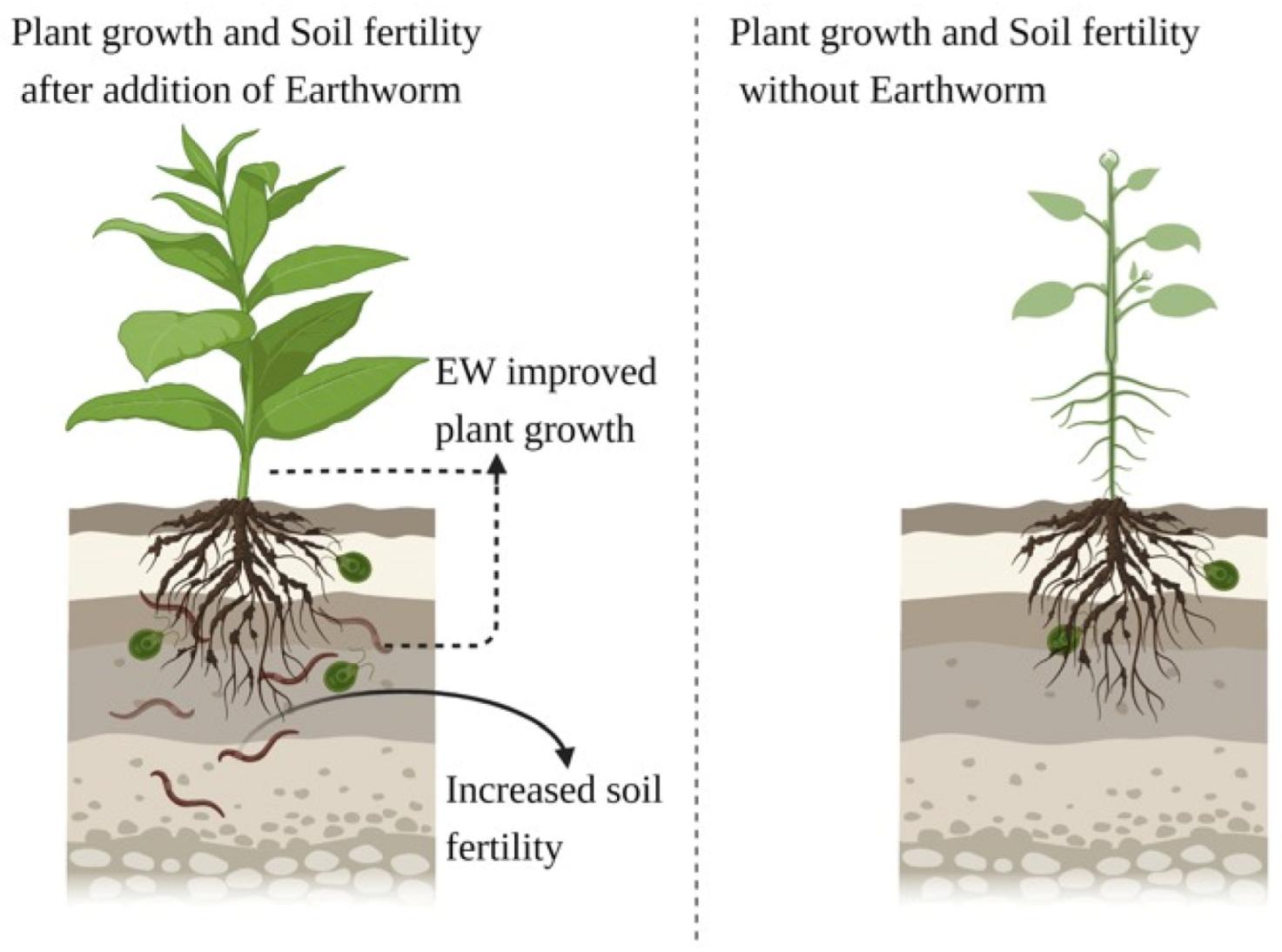
In other words, the health of your soil depends on its microbial population: more microbes lead to higher levels of organic carbon. As organic carbon increases, the soil becomes more fertile, leading directly to superior crop yields. It is a straightforward, natural formula for agricultural success.
18. Earthworm resilience: Choosing indigenous over foreign breeds
Chemical fertilisers, such as Urea and DAP, are toxic to earthworms, forcing them to retreat as deep as 15 feet underground to survive. However, when Ghan-Jeevamrut is applied to the field, its natural aroma acts as a signal, drawing them back to the surface to resume their vital work.
It is important to understand the fundamental difference between earthworm breeds. Indigenous Indian earthworms are remarkably efficient; they consume dung, organic waste, and soil. In contrast, the foreign breeds typically used in organic farming (for vermicompost) do not consume soil at all, only waste and dung. Furthermore, these foreign breeds are incredibly fragile, unable to survive in temperatures below 16°C or above 28°C. Indian earthworms, however, are exceptionally resilient, working tirelessly in environments ranging from frozen mountains to scorching deserts. This adaptability is a testament to nature’s perfect design.
19. Nature’s Workforce: The vital role of Indian earthworms
A. Superior nutrient delivery
Indigenous earthworms are master excavators, burrowing up to ten feet deep and returning to the surface via various paths. As they move, they secrete a unique fluid that lines these tunnels, preventing them from collapsing. These permanent channels act as the soil’s respiratory system, allowing essential oxygen to reach the roots. Furthermore, as earthworms consume raw minerals and release them as waste (castings), they provide plants with a potent “super-food.” In fact, earthworm castings contain 5 times more nitrogen, 9 times more phosphorus, and 11 times more potash than ordinary soil.
B. Natural water conservation
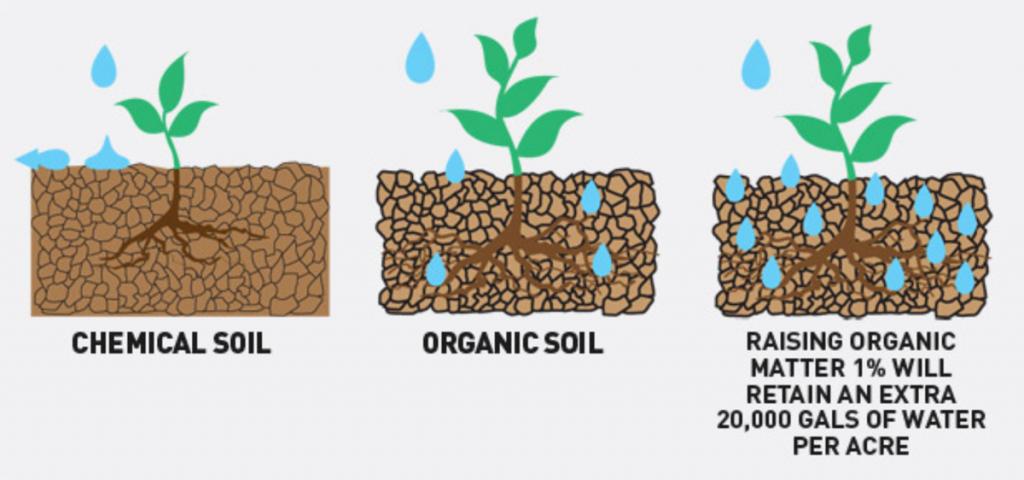
On a natural farm, millions of earthworms work tirelessly across every acre. Beyond the massive volume of free fertiliser they produce, their network of countless tunnels serves as an incredibly efficient natural drainage system. During rainfall, water flows directly into these channels, recharging the groundwater deep below. While we spend crores on artificial water conservation projects, earthworms perform this vital service for free. If natural farming were adopted universally, groundwater levels would rise naturally and sustainably.
C. The toxicity of foreign breeds
Research has uncovered a concerning reality regarding the foreign earthworms (Eisenia foetida) typically used in organic vermicomposting. Their waste has been found to contain traces of toxic heavy metals, such as arsenic, mercury, and lead. When vermicompost from these foreign breeds is applied to crops, these toxins can enter the human food chain. This suggests that crops grown through conventional organic farming using such vermicompost may not be as “toxin-free” as previously believed.
20. Protective mulching: Restoring the soil’s natural cover
A. Drastic Water Savings
An essential pillar of natural farming is “mulching” (Acchadana) (Read more about Acchadana here). You must never burn grass or crop residues, instead, chop this organic matter and spread it across the ground. I do not burn a single blade of straw, in fact, I even bring in extra grass from elsewhere to cover my soil. By covering the empty spaces between plants, you trap moisture and allow the soil to absorb water from the atmosphere. This simple technique can reduce your water usage by 50%.
B. A solution to global warming
When bare soil reaches temperatures of 35°C, organic carbon is released into the atmosphere, contributing to global warming. However, when the ground is protected by mulch, that carbon remains locked in the earth, increasing soil fertility rather than heating the planet.
C. Round-the-clock labour
Earthworms are naturally wary of birds and sunlight, causing them to hide during the day. Mulching creates a dark, protected sanctuary for them. Under the cover of grass, earthworms feel safe from predators and work 24 hours a day. God has provided the farmer with a dedicated labourer who works for free, day and night.
D. Turning Waste into Wealth
The microbes in the soil treat mulch as a primary food source. They consume the decaying matter and convert it into rich, high-quality fertiliser, making the land more fertile with every passing day.
 How to cultivate vital medicinal plants at home ? Part – 2
 How to cultivate vital medicinal plants at home ? Part – 1
 Firefighting training essentials: Civic readiness for an uncertain future
 A seasonal guide to traditional home gardening
 Natural farming: The sustainable alternative (Part 4)
 Natural farming: The sustainable alternative (Part 2)