
Contents
Homeopathy medicines for treatment at home
In today’s hectic life anyone can get affected by infectious diseases or any other illness at any time. Also, expert medical advice may not always be readily available when needed. Homeopathy treatment is extremely useful for common people as it can help cure various diseases such cold, cough, fever, vomiting, diarrhea, constipation, acidity etc. at home. Through this series of articles, we are providing information on how this treatment can be performed at home, how to prepare homeopathy medicines and how to store them.
Before adopting the process of self-treatment on various diseases, we request readers go through the information mentioned in Guiding principles for homeopathy treatment and understand it !



Compilers : Dr Praveen Mehta, Dr Ajit Bharamgude, Dr (Mrs.) Sangeeta A. Bharamgude
Common cold
Common cold is an ordinary disease of the nose and throat. Its symptoms include runny nose, sneezing, stuffy nose, watery eyes, sore throat and fever in some cases. Apart from these symptoms, if there are any specific symptoms, then the corresponding medicine to be taken is mentioned below as per those symptoms.
1. Precautions to be taken to avoid catching common cold
1A. Avoid touching the hands of people who are affected by common cold, avoid using things that they have handled, and avoid drinking from other people’s used cups.
1B. Wash your hands thoroughly, do not touch your eyes, nose and mouth without washing your hands.
1C. Cover your mouth and nose with a handkerchief.
2. Medicines and the symptoms exhibited by the affected person
2A. Allium Cepa
2A 1. Profuse burning discharge from the nose, causing peeling of the skin of the nose as well as of the upper lip.
2A 2. Continuous sneezing.
2A 3. Discharge of normal tears (non-irritating) from the eyes.
2B. Euphrasia Officinalis
2B 1. Rapid dripping of mucus (non-irritating) as well as phlegm from the nose.
2B 2. Discharge of tears with burning sensation from the eyes.
2C. Aconite Napellus
2C 1. Occurrence of cold due to exposure to dry and cold weather or due to cold winds while perspiring.
2C 2. Continuous sneezing and discharge of warm transparent mucus from the nose.
2C 3. Overall feeling better in the open air.
2C 4. Not able to tolerate foul smell.
2D. Nux Vomica
2D 1. Occurrence of cold due to exposure to cold and humid weather.
2D 2. Nasal stuffiness with cold; however, very less discharge of mucus from the nose, feeling of congestion in the chest area.
2D 3. Congestion in the nose at night and in the open air, flowing nose during the daytime and in a warm and cosy room.
2D 4. Unable to bear pungent smell.
2D 5. Feeling very cold and the tongue being clean (absence of any layer on the tongue).
2E. Arsenicum Album
2E 1. Occurrence of cold in the autumn season and after going into open air.
2E 2. Sneezing and discharge of water like fluid and mucus from the nose causing burning sensation and peeling of skin.
2E 3. Extremely dry nostrils and burning sensation in them.
2E 4. Feeling very tired.
2E 5. Drinking water frequently in small quantities and at room temperature.
2F. Mercurius Solubilis
2F 1. Discharge of dense green coloured fluid with foul smell and causing burning sensation from the nose.
2F 2. Accumulation of large quantities of mucus with foul smell in the nose.
2F 3. Formation of scales in the nostrils leading to bleeding when removed.
2G. HeparSulphuris
2G 1. Runny nose and swelling inside the nostrils leading to pains.
2G 2. Runny nose from either nostril, accompanied by sore throat and fever.
2G 3. Feeling extremely cold causing reluctance to take off clothes.
2G 4. Feeling of thorn picking the throat.
2H. Pulsatilla Nigricans
2H 1. Experiencing distress in breathing in a warm room; however, feeling extremely better in the open air.
2H 2. Discharge of dense yellowish-green fluid from the nose.
2H 3. Loss of taste when affected by common cold.
2I. Gelsemium Sempervirens
2I 1. Occurrence of common cold in cold air, fever, and lack of thirst.
2I 2. Discharge of fluid causing burning sensation from the nose, heaviness in the head.
2I 3. Swelling of nostrils.
2I 4. Repeated sneezing in the morning.
2I 5. Feeling extremely tired and sleepy.
2J. Sanguinaria Canadensis
2J 1. Runny nose, repeated sneezing, experiencing more distress on the right side.
2J 2. Feeling irritation in the nose and discharge of water like fluid with burning sensation from the nose.
2J 3. Unable to bear the fragrance of flowers, feeling dizzy due to the fragrance.
2J 4. Growth of polyp in the nose.
2K. Sulphur
2K 1. Experiencing pain at the root of the nose.
2K 2. Burning sensation in the nose.
2K 3. Tip of the nose turning red and shiny.
2K 4. Absence of smell after catching common cold.
Cough
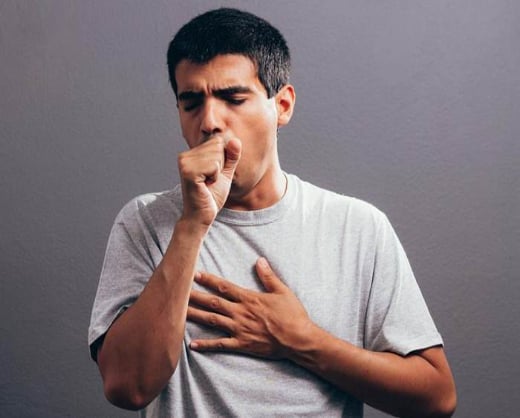
Coughing is a natural reflex action to clear the respiratory channel by forcefully expelling out any substance stuck in the throat or in the respiratory channel. Cough could be dry or with phlegm.
1. Generic precautions to be taken with reference to cough
1A. When distressed with cough, one should drink a lot of water, take bath with hot water and inhale steam through the nose.
1B. Stay away from the conditions that can cause bout of cough, such as dust, smoke etc.
1C. Stay away from the people who have cough or take necessary precautions to avoid infecting yourself by the germs expelled from their coughing. Stay away from smokers, strong smells, dust, pets etc.
1D. If you have trouble in breathing while coughing or there are strains of blood in the phlegm after coughing, do not ignore it and consult a medical expert immediately.
Apart from coughing, if there are any specific symptoms then the associated medicines to be taken as per these symptoms are mentioned below.
2. Homeopathy medicines
2A. Aconite Napellus
2A 1. Occurrence of cough after exposure to dry and cold weather or cold winds.
2A 2. Dry cough with loud noise.
2A 3. Coughing while exhaling.
2B. Belladona
2B 1. Occurrence of cough after a haircut or getting wet.
2B 2. Distressing cough with loud noise, increase in coughing in the evening or at the onset of night.
2B 3. Face becoming red and warm.
2C. Bryonia Alba
2C 1. Occurrence of cough after walking or any movement in the morning and worsening of cough after going into a warm room.
2C 2. Initial cough with very less phlegm spitted out followed by dry cough.
2C 3. Holding the chest tightly with hands whenever there is a bout of cough.
2C 4. Feeling very thirsty, however drinking a lot of water only after long intervals.
2D. Drosera Rotundifolia
2D 1. A deep, rattling cough, like a barking dog as soon as one rests one’s head on a pillow for sleeping at night.
2D 2. Frequent bouts of cough causing difficulty in breathing in and out.
2D 3. Whooping cough (Whooping cough is an acute infectious disease of the respiratory system. This disease begins with symptoms such as runny nose and sneezing. This leads to an unstoppable and severe cough and patient experiences distress in breathing. The main symptom of this disease is that when the patient tries to breathe, there is a characteristic ‘whooping’ sound in the throat. Person of any age can get this disease. Once the coughing starts, the spasm lasts for 10 to 15 minutes. Vomiting after coughing is also an important symptom.)
2E. Coccus Cacti
2E 1. Spasms of cough with soreness in the throat at specific intervals leading to vomiting of copious sticky, bubbly and transparent phlegm.
2E 2. Coughing starts at 6 am.
2F. Arsenicum Album
2F 1. Dry cough, restlessness and burning sensation throughout the body.
2F 2. Increase in the cough after midnight also after lying on the back.
2F 3. Excessive worry and fatigue.
2F 4. Drinking small sips of water every now and then.
2G. Phosphorous
2G 1. Tickling sensation in the lower part of the throat leading to coughing.
2G 2. Primarily dry cough persisting throughout the day and night with very little expectoration.
2G 3. Getting an urge to drink cold water, temporarily feeling better after drinking water, however, after some time the consumed water gets vomited.
2H. Causticum
2H 1. Experiencing dry cough in the evening due to excessive talking.
2H 2. Hoarseness caused by coughing.
2H 3. Inadvertent urination in clothes while coughing.
2I. Rumex Crispus
2I 1. Absolute intolerance to open air.
2I 2. Exhaustion due to constant dry cough.
2I 3. Increase in coughing triggered by inhalation of even slight cold air due to change in the room or weather.
2I 4. Covering one’s head with a cloth to avoid breeze of the cold air touching the head and the face while coughing.
2I 5. Cough occurs only during the day and is absent at night.
2J. Spongia Tosta
2J 1. Cough spasms on waking up and after mental exertion.
2J 2. Feeling suffocated, sound of coughing similar to the sound emitted when sawing wood.
2J 3. Temporarily feeling better after drinking hot water.
2K. AntimoniumTartaricum
2K 1. Although the chest full of phlegm, it is not expectorated. Also, phlegm is quite dense and difficult to expectorate.
2K 2. Burning sensation in the chest while coughing.
2K 3. Aggravation of coughing in the cold, humid weather and at night. Feeling better after sitting up.
2L. Sambucus Nigra
2L 1. Difficulty in breathing due to nose congestion.
2L 2. Child waking up from sleep in the midnight due to suffocation caused by coughing.
2M. Kalium Carbonicum : Coughing at 3 am every day.
3. Biochemic salts
3A. Ferrum Phosphoricum : Recently inflicted acute dry cough, with fever.
3B. Natrum Sulphuricum : Expectoration of yellowish-green phlegm, chest getting congested in humid weather.
 Homeopathy medicine for constipation
 Information on Homeopathy medicines for acidity
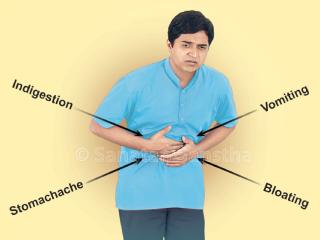 Homeopathy medicines for abdominal pain
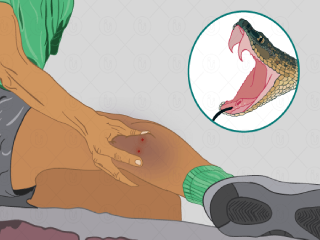 Homeopathy medicines for insect or animal bite
 Homeopathic and Biochemic remedies for eye problems